
Multi-angle gloss meter aids in new standards for automotive painting appearance inspection
In the vehicle quality inspection system of the automotive industry, the synchronous control of multi-angle glossiness and color is the core link to ensure the consistency of appearance finishes. The recent technical certification of domestic multi-angle detection equipment has further promoted the industry's upgrade from single-angle gloss detection to multi-angle color + gloss full-dimensional collaborative detection, providing more complete quantitative support for automotive painting and interior quality inspection.
The automotive industry extensively utilizes special materials such as metallic paints, pearlescent paints, gradient coatings, and leather-like interior trims in its exterior finishes. These materials commonly exhibit color-changing effects depending on the viewing angle. Single-angle gloss or color difference testing cannot fully capture the performance of the finishes from different observation perspectives, leading to issues where spot checks may pass but the actual vehicle's appearance varies across different parts. This has always been a challenge in controlling the consistency of the entire vehicle's appearance. The recently released new standards for automotive painting appearance inspection in China explicitly require quantitative testing that covers different observation angles, further expanding the application scenarios of multi-angle gloss meters.
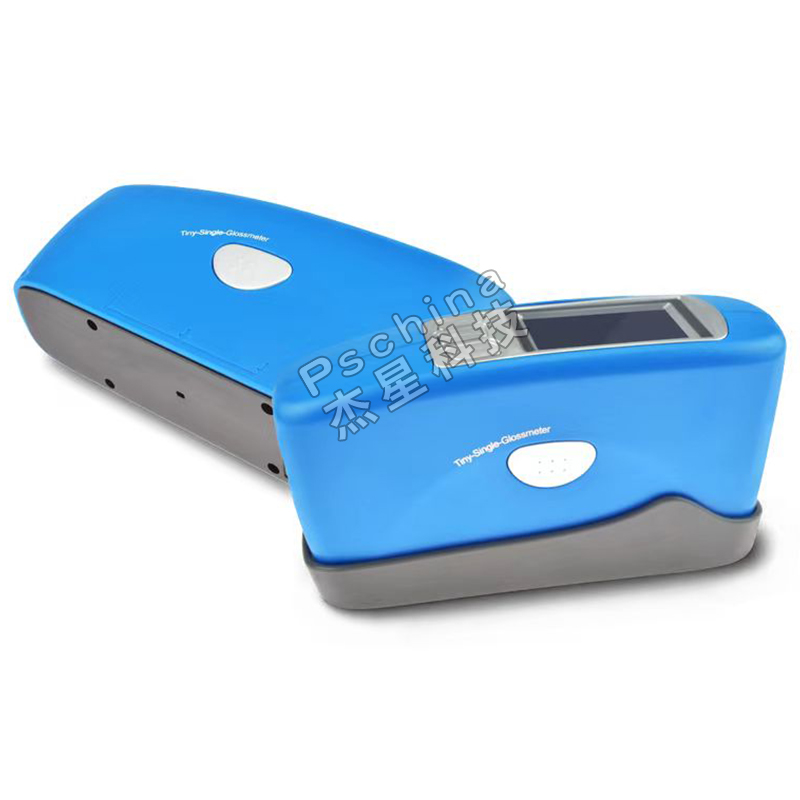
The core role of multi-angle gloss meters in the automotive industry lies firstly in capturing gloss data from various observation angles, accurately reproducing the gloss performance of special coatings such as metallic paint and pearlescent paint under different perspectives. This avoids misjudgments caused by single-angle detection and ensures a high degree of uniformity in the appearance of coatings on different parts of the vehicle. Secondly, they are suitable for detecting complex curved surfaces and small components of interior trims, supporting measurement calibers of different specifications. They can accurately measure special locations such as instrument panel curved surfaces, door panel textures, and chrome trim edges, addressing the pain points of traditional detection equipment that cannot fit irregular surfaces. Lastly, they enable synchronous storage and traceability of gloss and color data. All detection data can be directly integrated into the digital quality inspection system of the entire vehicle, meeting the quality record and traceability requirements throughout the entire production process and adapting to the current trend of quality inspection upgrades in the intelligent manufacturing of the automotive industry.
The HG-380 multi-angle gloss meter from Haopujia can simultaneously output the gloss detection results corresponding to each angle while completing the multi-angle color difference data collection. One device can cover the dual detection needs of color and gloss for automotive industry appearance finishes, reducing the redundancy of switching between multiple different devices and adapting to the actual quality inspection needs after the recent upgrade of automotive industry appearance inspection standards.
HOT PRODUCTS

Portable Colorimeter Spectrophotometer HC-700D
Colorimeter

HW-110 Upgrade Haze Meter
Haze meter

handheld Colorimeter HC-210
Colorimeter

Single Angle Gloss Meter HG-300
Gloss meter
HEAD OFFICE
| TEL: | (86)21-34624180 |
|---|---|
| Email: | pschina2001@outlook.com |